
Articles
Practical writing on building measurable resilience — resilience coaching, the five-facet model, team performance, and sustaining people through pressure and change. For the research and methodology behind the approach, see the research and the model.
-
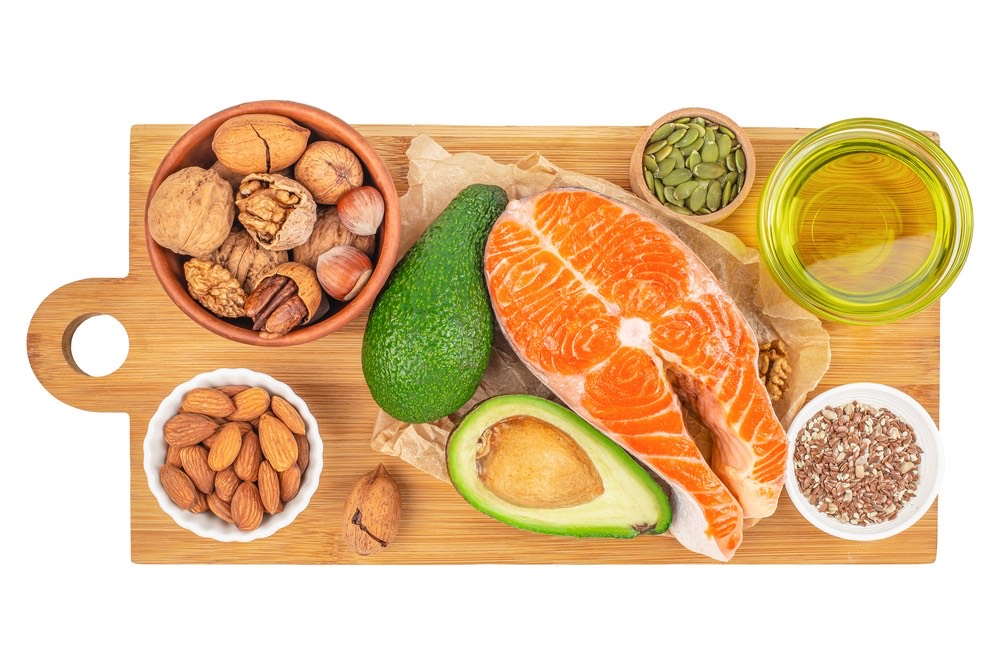
Food for Thought: Improving and Maintaining Mental Fitness for Building Resilience
85% of highly resilient people rate healthy eating as a strength, against 33% with lower resilience. The evidence on what to eat for memory and mood.
Read → -

Does Working from Home Have a Positive Impact on Your Work/Life Balance and Help Develop Resilience?
76% of hybrid workers cite better work-life balance (Gallup 2023). Our research found 70% of highly resilient people enjoy one, if they set boundaries.
Read → -

Multitasking: Does It Really Improve Productivity?
Only about 2.5% of people can multitask without a performance cost. For everyone else, task-switching can slow productivity by up to 40%.
Read → -

10 Ways to Separate Work from Home
Hybrid workers put in more unpaid overtime than other staff. Our research links separating work from home with higher resilience. Here are 10 ways.
Read → -
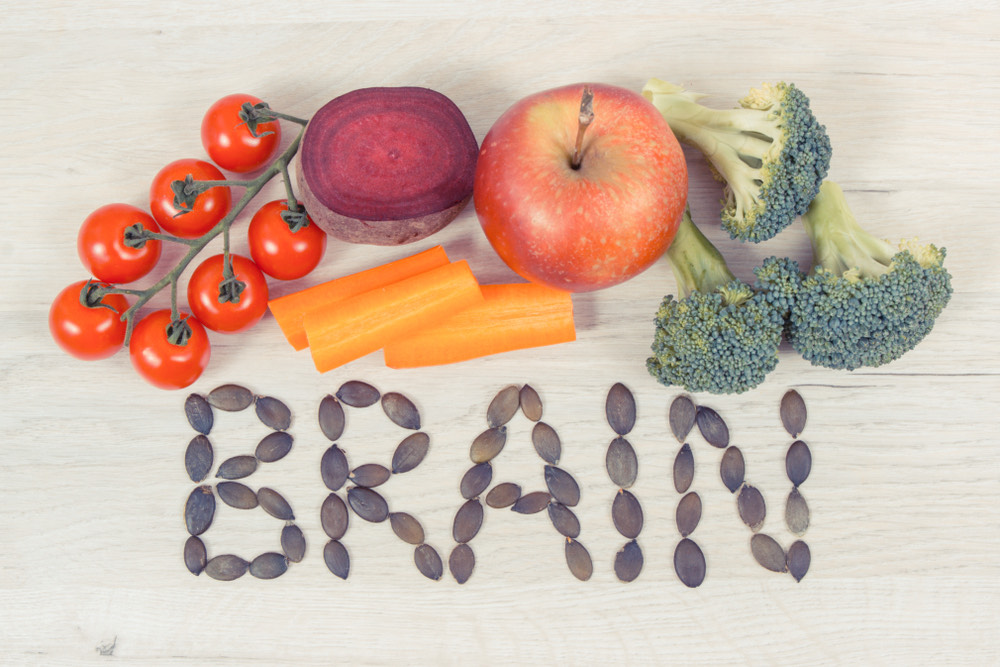
Brain Health: What to Eat to Maintain and Improve Mental Fitness and Resilience
What the research says about water, good fats, protein, complex carbohydrates and vitamins for cognitive performance, mood and long-term brain health.
Read → -

Healthy Body, Healthy Mind: Can Exercise Increase Resilience?
Our survey found 72% of highly resilient people exercise regularly, against 50% with average resilience. The research explains why, from BDNF to cortisol.
Read → -
How Building Employee Resilience Can Enhance the Employee Experience
PwC Hopes and Fears 2025 found AI optimism outweighing anxiety, with real stress underneath. The same factors build employee experience and resilience.
Read → -

Keep Britain Working Review Autumn 2025 and How Building an Individual’s Resilience Can Improve Outcomes
The Keep Britain Working Review looked at ill-health at work. Our research shows the most resilient employees are 9x more likely to perform optimally.
Read → -

Asking for Help: 7 Key Benefits
80% of people with low resilience trigger asking for help as an area to develop, against 9% with strong resilience. Why it is a strength, with 7 benefits.
Read → -

Building Resilience and Wellbeing: 10 Actionable Steps for Success
Steve Howe draws on 25 years in senior technology leadership to set out 10 actionable steps for building resilience and wellbeing.
Read → -
Resilience and Change Management
PwC found 53% of employees feel too much change is happening at once. Our research: 99% of highly resilient people stay adaptable, against 17%.
Read → -

The Impact of Resilience Coaching
Why organisations use resilience coaching to lift long-term employee engagement and productivity, by equipping employees to manage stress.
Read → -
Resilience Coaching: Elevating Team Performance
How resilience coaching helps teams build the skills and mindset to bounce back from challenges, and creates a culture where teams can thrive.
Read → -

Work Breaks to improve Resilience and Well-being
Scheduled breaks in the working day improve physical and mental wellbeing, concentration, mood, sleep and performance, and reduce tiredness and stress.
Read → -

Mental Strength and Adapting to Change
Mental Strength is one of the key characteristics of highly resilient people, and adapting to change is one of its most commonly cited aspects.
Read → -
What are the characteristics of highly resilient people?
The characteristics of highly resilient people, explained through the five facets of the ResilienceBuilder® model: mental strength, purpose, physical stamina, emotional intelligence and social support.
Read → -
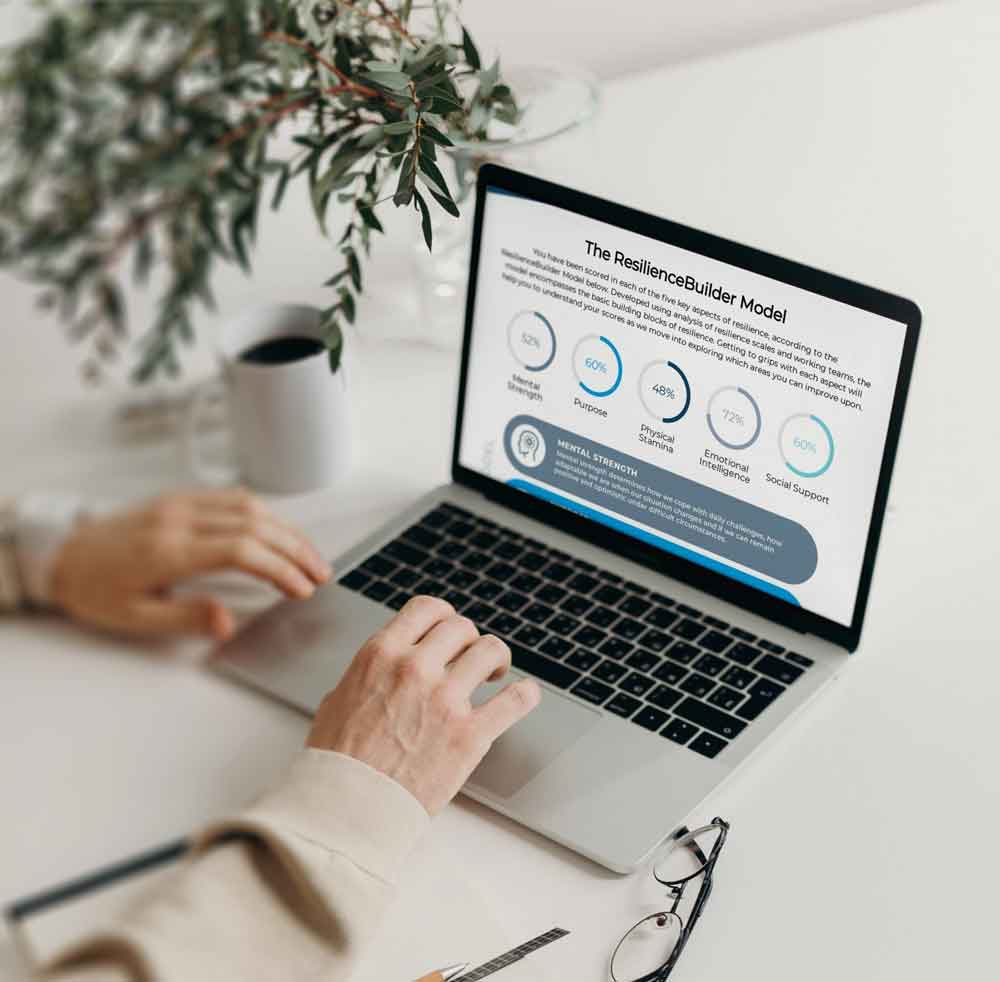
ResilienceBuilder® - 3 Years in the Making
Steve Howe introduces ResilienceBuilder® and the work behind it: helping individuals, teams and organisations become more resilient.
Read →